

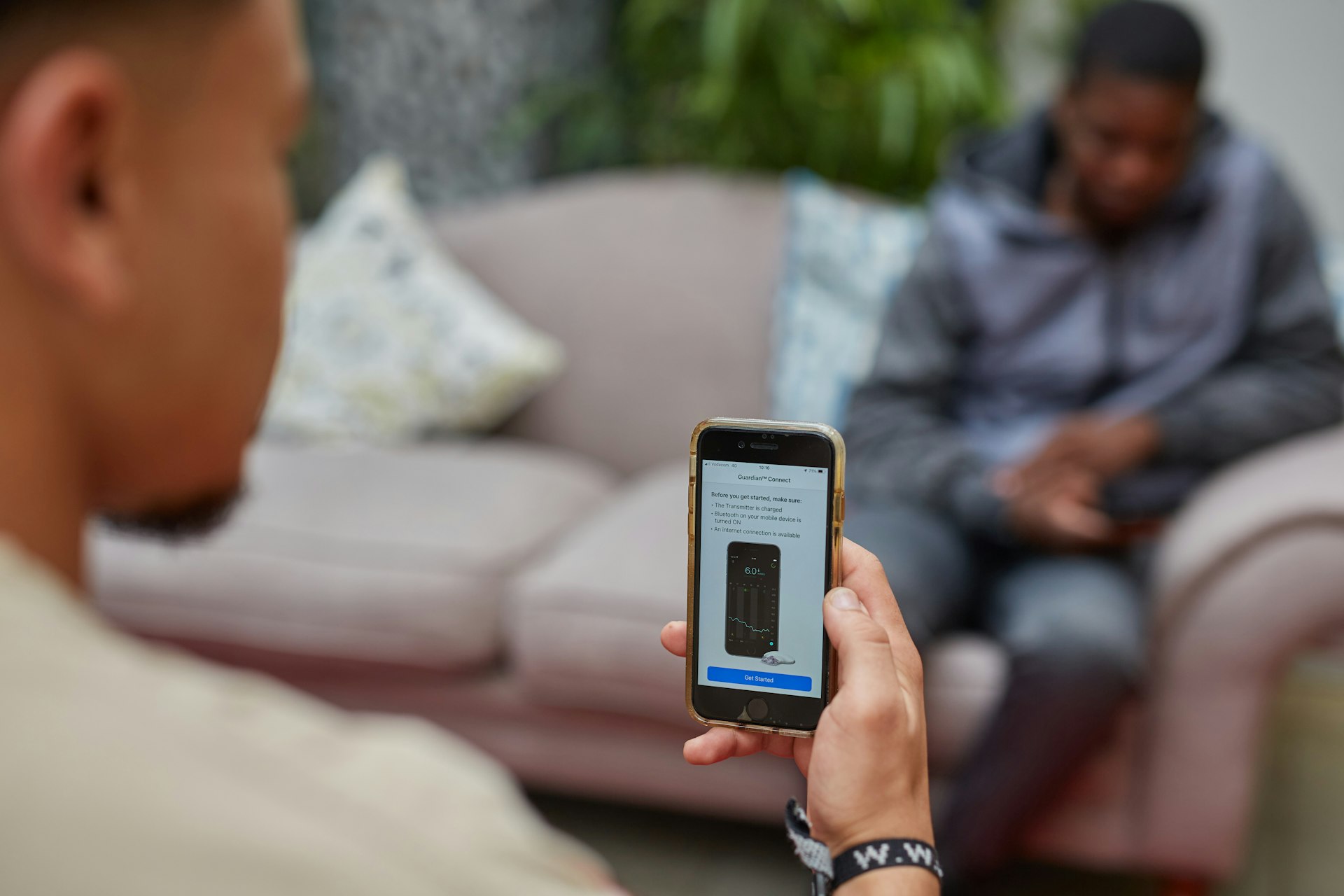
Not long ago, paying a bill in Ethiopia usually meant standing in a queue with cash. In May 2021, Ethio Telecom launched telebirr, and within a few years mobile money became part of everyday life for millions of people. Banks expanded their own mobile banking apps and wallets, and new licensed payment providers entered the market.
Why mobile money took off
Reach: Ethio Telecom serves tens of millions of mobile subscribers, so a wallet on the phone reaches people that bank branches never did.
Convenience: airtime, utility bills, school fees, merchant payments and transfers to family can all happen in seconds.
Policy support: national digital strategies and the National Bank of Ethiopia have pushed for a more cashless, inclusive payment system, including a draft national digital payments strategy for 2026 to 2030.
From payments to platforms
The first wave of mobile money was about moving money. The next wave is about what you can build on top of it. Once millions of people have a wallet, it becomes a distribution channel for new services: mini-apps, merchant tools, savings products, lending, insurance, ticketing, engagement programmes and more.
This is where technology partners come in. Wallet providers and banks cannot build every service themselves, and they need partners who can integrate securely, respect regulatory rules and deliver a smooth user experience.
What businesses should do now
Accept digital payments everywhere you can. Customers increasingly expect it.
Reconcile automatically. Connect payments to your sales or ERP system instead of checking SMS messages by hand.
Design for trust. Clear receipts, refunds and protection for buyers and sellers keep customers coming back.
Think in ecosystems. The biggest opportunities come from plugging into wallets and banks, not competing with them.
Our view
At QubitOmni we build with this ecosystem in mind. Platforms like Zonozuka and our Digital Escrow Platform are designed to integrate with existing wallets and banks, letting licensed institutions keep control of funds while we provide the technology layer. We think that is how Ethiopia's digital economy will grow: through partnership.
Photo by Sweet Life on Unsplash.